Hardwood Flooring in Vancouver, WA: Species, Finishes & What Drives Cost
July 20, 2026 · All About Floors NW
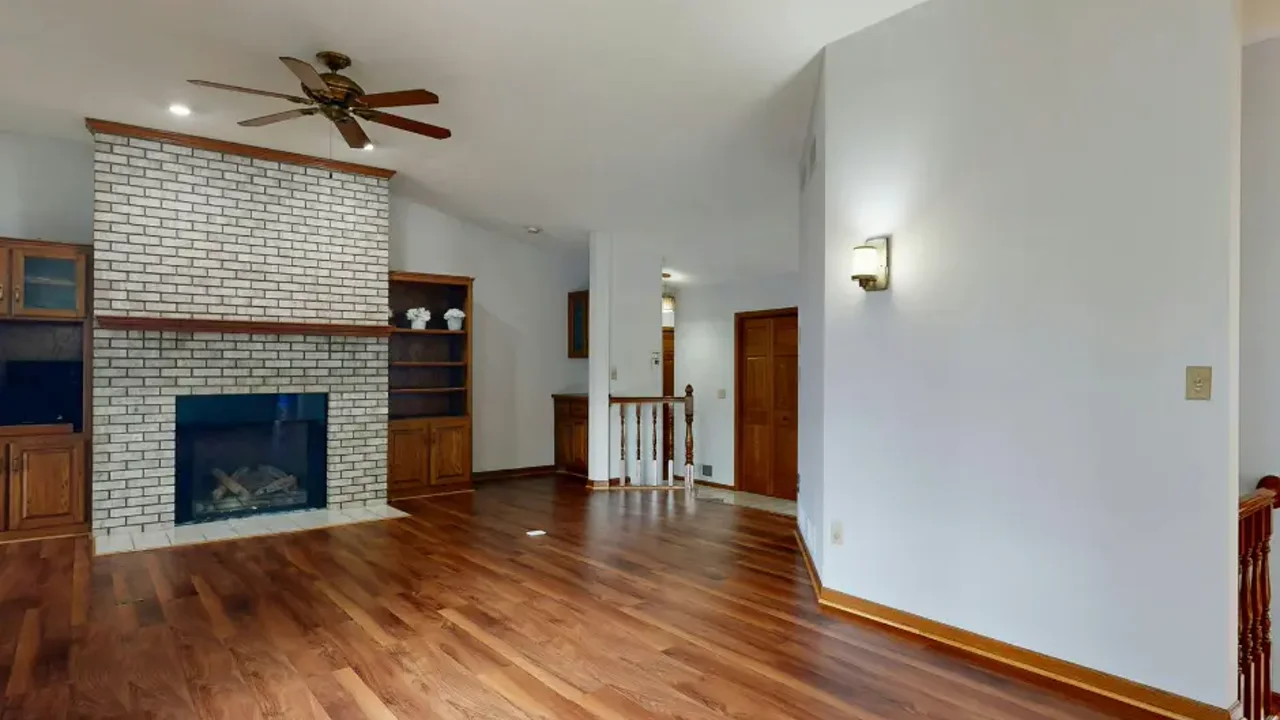
Few materials add character and lasting value to a home like real wood. If you’re considering hardwood flooring in Vancouver, WA, the choices come down to three things: which wood species, which finish, and what actually drives the price. Here’s how to think through each, with the Pacific Northwest climate in mind.
Choosing a wood species
Species sets the look, the hardness, and a good part of the cost. A few of the most common:
- Oak is the workhorse of American hardwood. Red and white oak are durable, take stain beautifully, and have a pronounced grain that hides everyday wear, which is why it’s such a safe, popular choice for busy homes.
- Hickory is one of the hardest domestic species, with dramatic grain and color variation. It’s a strong pick for active households and rooms with pets and kids.
- Maple is harder and smoother, with a subtle, uniform grain that suits clean, contemporary rooms. Its tighter grain can make staining trickier, so it often shines in natural or light tones.
- Walnut is softer but prized for its deep, rich brown color and elegant look, ideal where appearance leads and traffic is moderate.
There’s no single “best” species. The right one balances the look you want, how hard the floor will work, and your budget. Seeing samples in your own home, against your cabinets and natural light, is the only reliable way to choose.
Solid vs. engineered: a real consideration here
Both are genuine wood, but they’re built differently, and in our climate that matters. Solid hardwood is milled from a single piece of wood and can be sanded and refinished several times over its life. Engineered hardwood is a real wood veneer over a stable plywood core, which resists the expansion and contraction that humidity causes.
For Vancouver-area homes, engineered hardwood is often the more forgiving choice in below-grade rooms, over concrete slabs, and anywhere seasonal humidity swings are a concern. Solid hardwood remains a wonderful option in above-grade living spaces, especially if you value the ability to refinish it many times. We go deeper on this trade-off in our guide to engineered vs. solid hardwood, and you can browse the full range on our hardwood flooring page.
Finishes and sheen
The finish protects the wood and sets the mood of the room. Two decisions matter most:
Site-finished vs. prefinished. Prefinished (factory-finished) hardwood arrives sealed and cured, so it’s durable and ready to walk on sooner. Site-finished wood is sanded and sealed in your home, which allows custom stain matching and a perfectly smooth surface but takes longer and involves more dust and dry time.
Sheen level. This is where a lot of homeowners overthink it, then regret going glossy. Higher-gloss finishes show every footprint, dust mote, and fine scratch. Matte and satin finishes hide daily life far better and have become the clear favorite for real, lived-in homes. If you have kids or pets, lean low-sheen.
What already exists may be worth saving
If your home already has solid hardwood hiding under old carpet or years of wear, replacement isn’t your only option. Many Vancouver and Portland-area homes, especially older ones, have floors that can be sanded back and resealed. Refinishing typically costs a fraction of new hardwood and brings tired floors back to life, so it’s worth a professional look before you assume you need to start over.
What drives hardwood cost
Homeowners always want a number, and the honest answer is that hardwood pricing depends on several factors working together:
- Species and grade. Exotic and premium species, and cleaner grades with less natural variation, cost more.
- Solid vs. engineered, and the thickness of the wear layer on engineered products.
- Plank width. Wide-plank floors generally cost more than narrow strips.
- Finish. Custom site-finished and specialty finishes add labor.
- Subfloor prep. Leveling, moisture barriers, and repairs protect your investment but affect the total.
Rather than invent a per-foot figure that won’t match your home, we measure your rooms, check your subfloor, and give you an itemized quote. For a sense of how hardwood compares to other materials, our Vancouver flooring cost guide lays out general ranges.
Frequently asked questions
What is the best hardwood species for a Vancouver, WA home? Oak and hickory are popular, durable choices that suit busy households, while maple and walnut offer smoother or richer looks. The best pick depends on your style, how much traffic and wear the floor will see, and your budget. We help you compare species in your own light.
Should I choose solid or engineered hardwood in the Pacific Northwest? Engineered hardwood handles our humidity swings better and works over concrete and in below-grade rooms, while solid hardwood can be refinished more times. Both perform well when installed correctly. Room location and subfloor usually decide it.
What hardwood finish is easiest to maintain? Matte and low-sheen finishes hide dust, footprints, and micro-scratches far better than high-gloss, which is why they’re the most popular choice for real family homes. Factory-applied finishes are also very durable and ready to walk on right away.
How is hardwood flooring cost determined? Cost depends on the species, whether it’s solid or engineered, the plank width and grade, the finish, and your subfloor prep. Rather than quote a single number, we measure your space and give you an itemized estimate.
One decision this guide only touches on deserves its own read: sheen. Matte, satin, and semi-gloss change how a floor lives in a room far more than most homeowners expect. See matte, satin, or semi-gloss? before you finalize a finish.
Want to see hardwood samples in your own home? Request a free in-home estimate and we’ll help you find the species and finish that fit your space.
Related reading
Frequently asked questions
- What is the best hardwood species for a Vancouver, WA home?
- Oak and hickory are popular, durable choices that suit busy households, while maple and walnut offer smoother or richer looks. The best pick depends on your style, how much traffic and wear the floor will see, and your budget. We help you compare species in your own light.
- Should I choose solid or engineered hardwood in the Pacific Northwest?
- Engineered hardwood handles our humidity swings better and works over concrete and in below-grade rooms, while solid hardwood can be refinished more times. Both perform well when installed correctly. Room location and subfloor usually decide it.
- What hardwood finish is easiest to maintain?
- Matte and low-sheen finishes hide dust, footprints, and micro-scratches far better than high-gloss, which is why they're the most popular choice for real family homes. Factory-applied finishes are also very durable and ready to walk on right away.
- How is hardwood flooring cost determined?
- Cost depends on the species, whether it's solid or engineered, the plank width and grade, the finish, and your subfloor prep. Rather than quote a single number, we measure your space and give you an itemized estimate.