Floor Repair in Vancouver, WA: What Can Be Saved and What Can't
August 11, 2026 · All About Floors NW
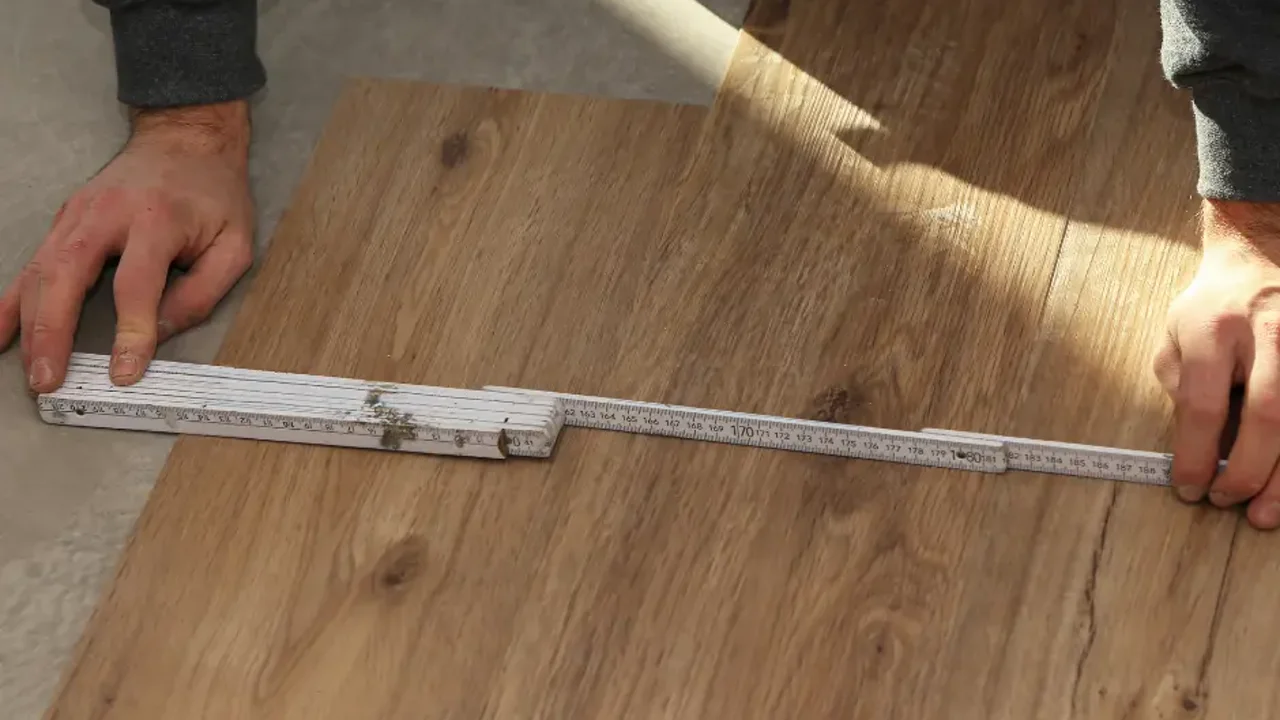
Not every flooring problem needs a new floor. A fair proportion of what we are called out to look at in Vancouver and around Clark County is a repair — sometimes a genuinely small one — and the difference in cost between fixing and replacing is large enough that it is worth knowing which one you are looking at.
Here is how we assess it.
The squeak
The most common complaint, and usually the least serious.
A squeak is movement. Either the floor is moving against the subfloor, or the subfloor is moving against the joists underneath it. Something has worked loose over years of being walked on, and two surfaces are rubbing as they flex.
The fix depends on access. Where there is a basement or crawlspace below, it can often be dealt with from underneath without disturbing your floor at all. Where there is not, it is usually a matter of refastening through the floor and concealing the fixings.
The one thing worth saying: a squeak is not going to get better on its own, and it is far cheaper to deal with while you are having other work done than as its own call-out.
Soft spots and bounce
This one deserves more attention than most people give it.
If an area of floor feels springy underfoot, or gives slightly when you step on it, the problem is very unlikely to be the floor covering. It is what is underneath. Subfloor that has been weakened — usually by moisture, sometimes by an old repair done badly — loses its stiffness before it fails outright.
Given how much rain this region gets, moisture is the usual culprit, and the usual sources are unglamorous: a slow leak under a dishwasher or fridge, a bathroom seal that failed years ago, or a downspout that has been discharging against the house long enough to affect a crawlspace.
Covering a soft spot with new flooring does not fix it. It hides it until it gets worse. This is the one symptom where we would push you to have it looked at properly rather than left.
Water damage
Vancouver’s climate means we see a lot of this, and the outcome depends almost entirely on how quickly it was found.
Cupping — where the edges of a board sit higher than the middle — means the board has taken on moisture from below and swollen. Caught reasonably early and dried properly, cupped boards frequently flatten out again and can then be sanded and refinished. That is a genuinely good outcome and much cheaper than replacement.
Crowning is the opposite: the middle sits higher than the edges. It usually means a cupped floor was sanded flat before it had finished drying. It is harder to recover.
Blackening or staining that goes into the wood rather than sitting on the finish generally means replacement of those boards. Sanding does not reach it.
For laminate, water damage is usually terminal — the core is wood fibre and once it swells the plank is finished. For luxury vinyl, the plank itself normally survives and the question is what happened underneath it.
Lifted, peaking or gapping planks
With floating floors — most laminate and click-together vinyl — planks that have lifted or peaked usually mean the floor had nowhere to expand.
These floors are designed to move slightly with temperature and humidity, and they need a small expansion gap around the perimeter, hidden under the skirting. When that gap was left too small, or when someone later fitted trim or a heavy fixture that pins the floor down, the expansion has to go somewhere and the planks rise against each other.
The fix is usually to release the perimeter rather than to replace anything, which is a considerably better conversation to have than the one people expect.
Gapping between boards in solid hardwood is a different matter and is often seasonal — normal shrinkage in dry indoor air that closes again when humidity rises. Gaps that persist through a damp Pacific Northwest winter are the ones worth investigating.
Scratches and worn finish
If the damage is in the finish rather than the wood, you do not need a repair at all — you need a recoat or a refinish, which we cover in our hardwood refinishing guide.
The quick test: run a fingernail across the mark. If it catches, it is into the wood. If it does not, it is surface-level and a lot cheaper to put right.
When replacement genuinely is the answer
We would rather repair than replace, but there are cases where repair is the wrong advice:
- The subfloor itself has failed over a meaningful area.
- The same failure keeps recurring across the whole floor, which means the cause is systemic rather than local.
- The material is discontinued and a visible mismatch would bother you every day.
- The floor has already been refinished as many times as its wear layer allows.
In those situations a repair is money spent twice, and we will tell you so.
Getting it looked at
We assess repairs in person, because the useful information is almost always in what is underneath rather than what you can see. If the answer is that it is a squeak and a downspout, that is what we will tell you.
You can see the full range of what we handle on our flooring installation page, and if the assessment does point toward replacement, our guide to flooring costs in Vancouver sets out what to expect. Either way, book a free in-home estimate and we will bring an honest answer rather than a quote for the biggest job.